

If you want speed, negotiating room, and a lower upfront price, an existing home usually wins. If you want modern systems, a warranty, and control over finishes, new construction usually wins. The right pick depends on your local market and how much delay or cost overrun you can tolerate, both of which the next sections break down in detail.
TL;DR:
- New construction usually costs more upfront, with a median price of $414,400 in December 2025, before upgrades and lot premiums.
- Existing homes often close faster, with more negotiating room on price, repairs, and closing costs, especially for buyers on a tight schedule.
- Builders offer warranties and energy-efficient features, but added costs from HOA fees, property taxes, and limited warranty coverage can offset savings.
- Delays in new construction are common, so buyers needing quick move-in should consider already-built or near-complete homes.
- Resale value depends more on location and layout than age, with classic neighborhoods and flexible floor plans holding their worth better over time.
Table of Contents
- New Construction vs Existing Homes: Weighing the Trade-Offs
- How Costs Compare: Price, Upgrades, and Financing
- Timeline Expectations: From Groundbreaking to Move-In
- Warranties, HOA Fees, and Maintenance Over Time
- Resale Value: What Holds Up and What Doesn’t
- A Practical Checklist for Choosing Your Path
- Why This Comparison Holds Up
- How We’d Advise You to Decide
- Where to Go From Here
- FAQ
- Sources
New Construction vs Existing Homes: Weighing the Trade-Offs
New construction and resale homes solve different problems, and the pros and cons rarely cancel each other out.
New builds typically offer:
- A builder warranty covering structural and system defects for a set period.
- Lower near-term maintenance since everything is unused and under current code.
- Energy-efficient systems that can trim utility bills, though payback periods vary.
- Customization over layout, finishes, and fixtures before closing.
- Compliance with the latest building codes, including updated safety and insulation standards.
Existing homes typically offer:
- Established locations, often closer to city centers or mature school districts.
- More room to negotiate price, repairs, or closing costs.
- Mature landscaping and a sense of how the neighborhood actually functions.
- Faster closing timelines once financing and inspections clear.
One myth worth retiring: new construction is not automatically cheaper over time. Builder upgrades, HOA dues, and higher purchase prices can erase any energy savings. It’s a point worth remembering before assuming “new” means “cheaper.”
How Costs Compare: Price, Upgrades, and Financing
The price gap between new and existing homes is real and measurable. The median sales price of new houses sold in December 2025 was $414,400, a figure that reflects base pricing before most builder add-ons. That number matters because builder upgrades, lot premiums, and change orders can push a contract price well past the advertised base, sometimes by tens of thousands of dollars depending on the options selected.
Updated energy codes add another layer. The Department of Energy’s analysis of proposed building code changes notes that adopting the 2024 IECC nationwide could raise construction costs, a trade-off builders and buyers weigh against long-term utility savings.
Financing also works differently for new builds. The CFPB’s TRID guidance explains that construction-only loans and construction-to-permanent loans carry distinct disclosure rules, including how projected payments are presented before the home is finished. Draws are typically released at inspection milestones, which changes cash flow during the build.
Ongoing costs to compare before you commit:
- HOA fees, which are common in new developments and can rise after the builder turns control over to residents.
- Warranty coverage limits, since most builder warranties exclude cosmetic wear and some systems after the first year.
- Property insurance, which can run lower on new construction due to updated electrical and plumbing systems.
- Property taxes, which often reassess higher on new construction once improvements are recorded.
Timeline Expectations: From Groundbreaking to Move-In
New construction timelines vary widely depending on permitting, site work, and supply availability, and delays are common rather than exceptional. Resale closings move faster once an offer is accepted, generally clearing inspection, appraisal, and underwriting within a single to a couple of months.
If speed matters, a few options shorten the wait:
- Ask builders about spec homes already under construction or near completion.
- Consider a cash offer on an existing home to skip financing contingencies.
- Request a firm completion date with penalty clauses in your purchase contract.
- Build in a contingency plan, such as a short-term rental, in case of builder delays.
- Review the builder’s supply-chain history before signing, since recurring delays are often predictable.
Buyers choosing between the two paths should treat the closing date as a negotiation point, not a guarantee, especially with new construction.
Warranties, HOA Fees, and Maintenance Over Time
Builder warranties typically cover structural defects for several years and workmanship or systems for a shorter window, but they rarely cover cosmetic issues or normal wear. Existing homes come with no such safety net unless the seller offers a home warranty as part of negotiations.
HOA fees factor directly into your monthly carrying cost, whether you are buying new or existing. New developments often bundle amenities into dues that can increase once the builder exits, while established HOAs tend to have more predictable, historically stable fees.

Maintenance timelines diverge sharply. An older home may be due for a roof, water heater, or HVAC replacement within a few years of purchase, while new systems typically have a decade or more of expected service life ahead of them.
Before closing, request:
- Full warranty documentation, including what is excluded.
- HOA covenants, bylaws, and recent fee history.
- Seller disclosures on past repairs or known defects.
Pro Tip: Ask for the HOA’s reserve fund balance, since a thin reserve often signals upcoming special assessments.
Resale Value: What Holds Up and What Doesn’t
Location still drives resale value more than almost anything else, regardless of whether the home is new or decades old. Floor plan flexibility and build quality matter next, since layouts that feel dated or overly specific to one buyer’s taste can limit the pool of future buyers.
New builds command a premium when they’re scarce in a desirable area, but that premium shrinks when a developer floods a neighborhood with similar floor plans. Renovations on existing homes, like updated kitchens or added bathrooms, tend to recoup more value than high-end builder upgrades that simply match what every other new home on the block already has.
Before buying either type, ask:
- How many similar homes are planned or recently sold nearby.
- What comparable resale homes in the area have sold for in the past year.
- Whether builder upgrades are reflected in neighborhood comps or just in the contract price.
A Practical Checklist for Choosing Your Path
Match your priorities against these factors before you commit to either path:
- Speed: if you need to move within a few months, lean existing.
- Budget: if you need price certainty with fewer surprises, lean existing.
- Customization: if finishes and layout matter more than timeline, lean new.
- Renovation tolerance: if you dislike project management, lean new.
- Resale horizon: if you’re staying 10+ years, either can work, but location outweighs age.
A few buyer types illustrate how this plays out. A transferee with a hard start date usually leans existing to avoid build delays. A growing family prioritizing layout and school zoning often leans new if the area has land available. A value-focused buyer watching cash flow typically leans existing, since negotiating room and lower upfront costs matter more than finish quality.
Whichever path you choose, negotiate for a guaranteed completion date, escrow holdbacks for unfinished items, and clear warranty terms in writing.
Pro Tip: Put the completion-date penalty in the contract itself, not just in a verbal promise from the builder.
Why This Comparison Holds Up
This comparison draws on current Census new-residential sales data, CFPB guidance on construction loan disclosures, and consumer reporting from outlets like The Week on maintenance and pricing trends. Local market dynamics shift these trade-offs, which is part of why our research team tracks ranked local providers in Metro Detroit separately from national averages, since a single national median price rarely reflects what a specific neighborhood actually costs.
How We’d Advise You to Decide
We’d tell most buyers to start with their timeline tolerance before anything else. If a delay wrecked your plans, existing homes remove that risk. If you can absorb a few months of uncertainty for a home built exactly to your preferences, new construction tends to be worth it.
— Bryan
Where to Go From Here
Whichever path you take, finding the right local professional matters as much as the new-versus-existing decision itself. Our research team ranks local providers across Metro Detroit, from mortgage lenders who understand construction-to-perm loans to real estate agents who negotiate builder contracts and resale deals alike.
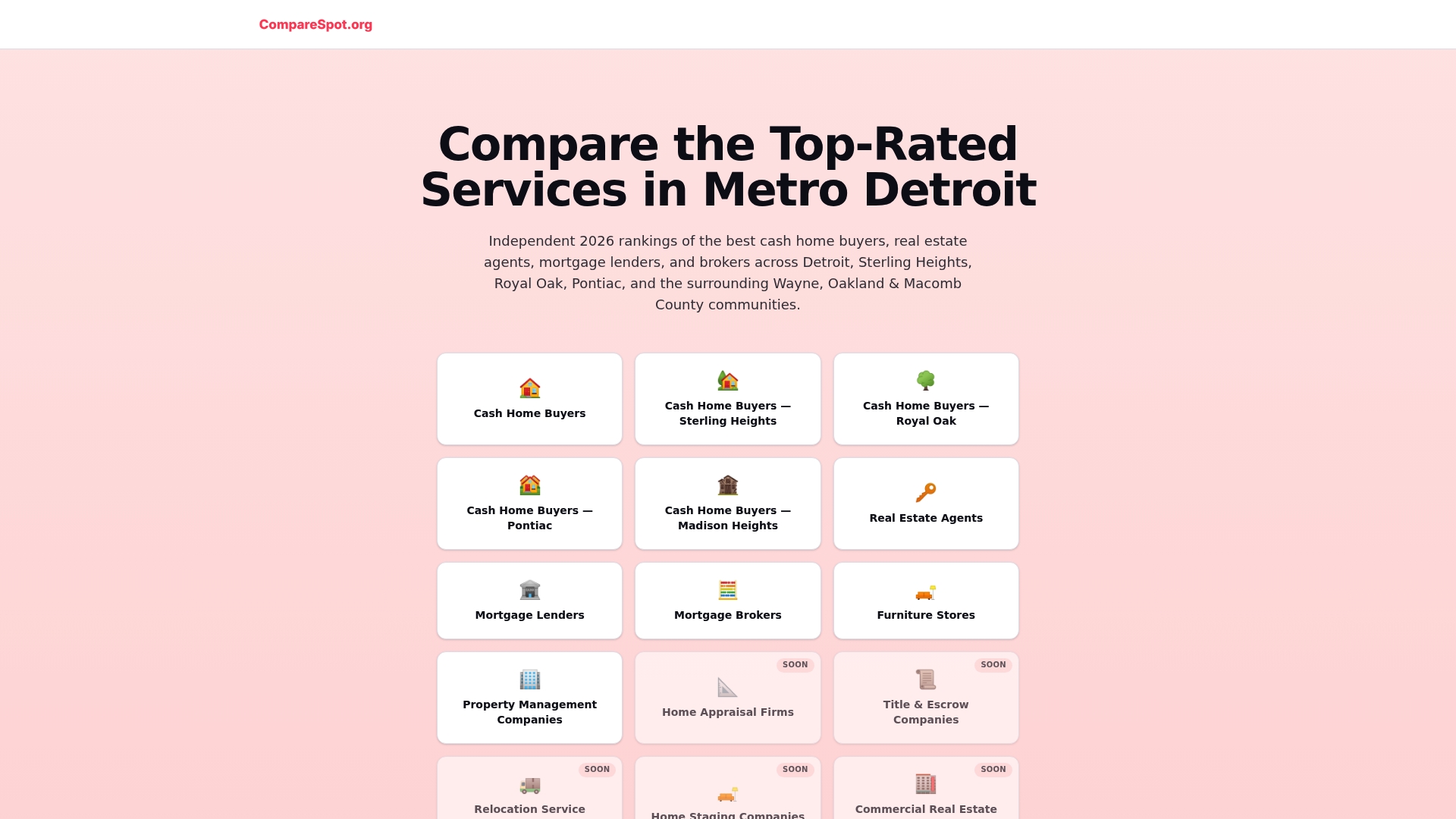
If you’re weighing a fast, as-is sale of your current home before buying new, our cash home buyer rankings in Metro Detroit are a practical place to start.
This article is general information, not a substitute for advice from a qualified financial advisor. Consult a qualified financial professional about your own circumstances before acting on anything here.
FAQ
What is the 3-3-3 rule for buying a house?
Definitions vary across sources, so treat it as a rough guideline rather than a fixed lending standard.
Why are new builds cheaper than existing homes?
New builds are not reliably cheaper. The median new-home sales price was $414,400 in December 2025, which often runs higher than comparable existing homes once location and lot size are factored in.
Is $400,000 enough to build a house?
It depends heavily on location, lot cost, and finish level, since the base construction price does not include land, permits, or upgrades. Builder change orders and site conditions can push a project well past an initial estimate, so get a detailed cost breakdown before committing to a budget.
What is considered a new build?
A new build typically refers to a home that has never been occupied and was constructed within the past year or so, often purchased directly from a builder or developer. This differs from a resale, which has at least one prior owner and an established maintenance history.
Sources
- MONTHLY NEW RESIDENTIAL SALES, DECEMBER 2025
- TRID combined construction loan guide (CFPB)
- The Week — The pros and cons of buying a new-build house
- U.S. Department of Energy — Analysis of proposed building code impacts (2026)