
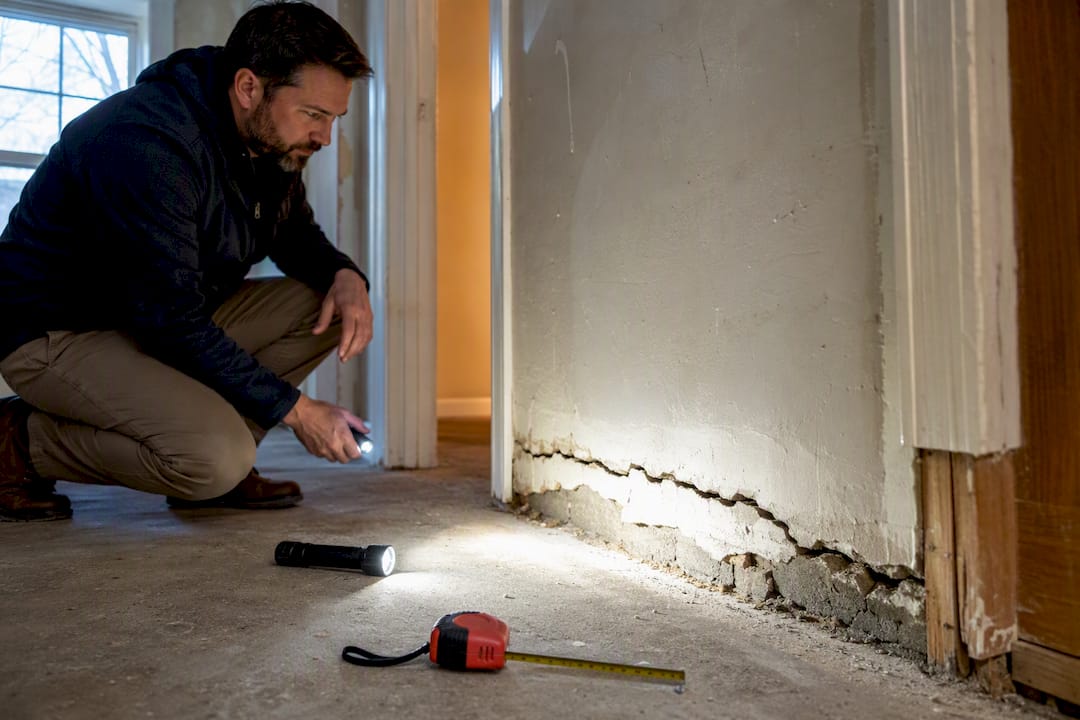
Yes, you can sell your house as is in Michigan, but “as is” only shifts who pay for repairs, not your legal duty to disclose known problems. You still have to complete the Michigan Seller’s Disclosure Statement in good faith. Expect a smaller pool of buyers, often cash buyers and investors, and likely lower net proceeds. Start by finishing your disclosures and getting a mortgage payoff quote before you pick a sale route.
TL;DR:
- Selling as-is in Michigan does not exempt sellers from disclosing known defects under the Michigan Seller’s Disclosure Act, and failure to do so can lead to silent fraud claims.
- Buyers expect honest disclosures whether the home is sold as-is or not; an “as is” clause merely shifts repair costs, not disclosure obligations.
- Federal loan programs like FHA and VA set minimum property standards, which often make homes with major defects unfinanceable, favoring cash buyers or quick repairs.
- Proper timing of disclosure completion—before listing or offer acceptance—is crucial to avoid legal complications or deal unwinding.
- When choosing a sale route, consider speed versus net proceeds, especially since cash buyers and investors close faster but often at a discount, while agent listings typically net more but take longer.
Table of Contents
- What Does Selling a House As Is Mean in Michigan?
- Michigan Seller Disclosure Checklist and Timing Rules
- How to Sell a House As Is in Michigan, Step by Step
- Comparing Your Options: Speed, Money, and Risk
- How to Calculate Real Net Proceeds on an As-Is Sale
- When FHA, VA, and USDA Rules Block Your Buyer Pool
- Finding Vetted Cash Buyers and Agents Through Comparespot
- When Speed Should Beat Maximum Sale Price
- Compare Vetted Cash Buyers and Agents Before You Sign Anything
- Sources
- FAQ
What Does Selling a House As Is Mean in Michigan?
“As is” tells a buyer you will not fix anything before closing. It does not tell them you are allowed to hide what you know about the house. Those are two separate legal ideas, and mixing them up is where Michigan sellers get into trouble.
Michigan is a caveat emptor state, which is Latin for “let the buyer beware.” Historically, that doctrine put the burden on buyers to inspect a property and accept the risk of hidden problems. But two things have chipped away at pure caveat emptor over the decades: the Michigan Seller Disclosure Act and a body of case law on silent fraud.
The Seller Disclosure Act, officially Act 92 of 1993, requires most residential sellers to hand buyers a written disclosure statement covering the condition of the roof, foundation, electrical, plumbing, heating and cooling, water intrusion history, pest issues, and known structural defects. You answer every question honestly, based on what you actually know. An “as is” clause in your purchase agreement does not excuse you from filling this out, and it does not let you skip a question you know the true answer to.
This is where a lot of Michigan sellers get confused. They assume “as is” means “I don’t have to tell you anything.” That is backward. As is meaning “I won’t fix it.” Disclosure means “I have to tell you about it.” You can absolutely do both at once: disclose a cracked foundation and still refuse to pay for the repair.
Where “as is” stops protecting you
Michigan courts have consistently ruled that an as-is clause allocates repair risk to the buyer, but it does not shield a seller who knowingly concealed a defect. The Michigan Bar Journal’s analysis of “as is” case law lays out the legal exception clearly: silent fraud. That is the doctrine that gets sellers sued.
Silent fraud happens when a seller stays quiet about a defect they had actual knowledge of, and the buyer later discovers it. It’s different from a seller simply not knowing something existed. If you never had your basement flood while you owned the house, you cannot be liable for failing to disclose flooding. But if water came in every spring for five years and you checked “unknown” on the disclosure form anyway, that is the fact pattern that ends up in court.
Courts generally require clear and convincing evidence to prove fraud claims, which is a higher bar than an ordinary lawsuit. That protects honest sellers who genuinely didn’t know about a hidden problem. It does very little for sellers who did know and gambled on staying quiet.
The categories that generate the most disclosure disputes in Michigan are fairly predictable:
- Water intrusion: basement seepage, roof leaks, sump pump failures, and drainage problems near the foundation.
- Structural issues: foundation cracks, settling, or prior repairs that were never disclosed.
- Pest history: termite damage, carpenter ant infestations, or past treatments.
- Title problems: liens, boundary disputes, or unresolved easements.
- Systems near end of life: furnaces, water heaters, or electrical panels the seller knew were failing.
If you genuinely don’t know the condition of something, “unknown” is a legitimate answer on the disclosure form. It is not a legitimate answer for something you have direct knowledge of just because writing it down feels inconvenient.
Michigan Seller Disclosure Checklist and Timing Rules
The disclosure statement isn’t optional paperwork you hand over at closing. Timing matters, and getting it wrong can unwind a deal or expose you to a claim later.
Under the Seller Disclosure Act, you’re expected to deliver the completed disclosure statement to the buyer before the purchase agreement is signed, or the buyer gets a limited window to terminate the agreement after receiving it late. In practice, most Michigan agents get the disclosure into a buyer’s hands before or during the offer stage specifically to avoid that termination right becoming a headache mid-contract.
Pro Tip: Fill out your disclosure statement before you list the house, not after an offer comes in. Rushing through it under deadline pressure is exactly how sellers accidentally check “no” on something they actually know is a problem.
Here’s what belongs on your pre-listing checklist:
- Complete the Michigan Seller’s Disclosure Statement in full, answering every line item honestly rather than leaving sections blank.
- Pull any past inspection reports, insurance claims, or repair invoices that jog your memory on system age and prior issues.
- Determine if your home was built before 1978, which triggers a separate federal and state requirement.
- Note whether you know of any pending assessments, HOA disputes, or unresolved permit issues.
- If you’re unsure about a specific item, mark it “unknown” honestly rather than guessing at “no.”
If your house was built before 1978, you have an additional legal obligation: the federal lead-based paint disclosure rule. Michigan’s lead-based paint disclosure form requires you to tell buyers about any known lead paint hazards and hand over any records or reports you have, even if you’re selling strictly as is. This isn’t a state quirk, it’s a federal requirement that follows the age of the structure, and skipping it on an older home is a common and avoidable mistake.
There’s a broader federal layer here too. HUD’s disclosure guidance outlines how property condition disclosures interact with federally backed loan programs. This matters more than most sellers realize, because it directly shapes who can even make you an offer.
If a buyer plans to finance through FHA, VA, or USDA Rural Development, the property has to clear minimum condition standards set by that program, separate from anything in your as-is agreement. A cracked foundation, exposed wiring, or a non-functioning furnace can be enough to disqualify a financed buyer entirely, regardless of what price they’re willing to pay. That’s a major reason as-is listings skew toward cash buyers: the house simply can’t pass the appraisal-linked condition checks that FHA and VA require.
The honest answer to “what if I don’t know the condition of something” is to say exactly that. Michigan’s disclosure law does not require omniscience. It requires good faith. Writing “unknown” on a genuinely unknown item is legally sound. Writing “no” on something you know is broken because it’s easier is the decision that turns into a courtroom problem two years later.
How to Sell a House As Is in Michigan, Step by Step
Every route to selling as is in Michigan starts with the same three moves, then splits depending on who you’re selling to.
Shared starting steps for any route:
- Finish your Seller’s Disclosure Statement and gather supporting documents (inspection history, repair records, permits).
- Get a realistic valuation, either from an agent’s comparative market analysis or a cash buyer’s cash offer, so you know what “as is” actually nets you.
- Choose your sale route based on your timeline, the property’s condition, and how much certainty you need.
- Negotiate inspection terms upfront so both sides know whether a buyer can walk away or renegotiate after inspection.
- Sign a purchase agreement that spells out repair responsibility, earnest money, and closing timeline explicitly.
- Close, with title work and payoff confirmed ahead of the closing date to avoid last-minute surprises.
How you execute steps 3 through 6 depends heavily on which of the four common paths you take.
Listing with a real estate agent
An agent-assisted as-is sale still goes on the open market, which means you’re competing against move-in-ready listings. The key is pricing honestly from the start. Overpricing an as-is home and hoping to negotiate down after inspection almost always backfires, because buyers who see “as is” in the listing already expect a discount, and a bloated asking price just extends your days on market.
Set clear inspection expectations before you accept an offer. Many Michigan agents include language in the listing or agreement stating the seller will not entertain repair requests, only price adjustments if a major issue surfaces during inspection. That distinction avoids the back-and-forth where a buyer’s inspector finds something and immediately demands a contractor show up before closing.
Marketing an as-is home well means leading with what’s good, not burying the condition. Photos should be honest, not misleading, and the listing description should state upfront that the home is being sold as is. This filters out buyers who weren’t serious anyway and attracts the ones who actually want a fixer or investment property.
Selling for sale by owner (FSBO)
FSBO as-is sales carry the same disclosure obligations as an agent sale, but you’re personally responsible for delivering the paperwork correctly and on time. That means using the standard Michigan disclosure form rather than an informal substitute, and keeping a paper trail showing when and how you delivered it to the buyer.
The biggest FSBO risk isn’t pricing, it’s presentation. Sellers who skip professional photos or downplay visible issues in showings sometimes end up facing claims that they misrepresented the condition, even unintentionally. Being upfront about known defects during a walkthrough, in addition to what’s on the disclosure form, is cheap insurance against a later dispute.
Selling to a cash buyer or real estate investor
Cash buyers and real estate investors typically make an offer based on the home’s current condition, often within 24 to 48 hours of seeing the property, and they usually build a discount into that number to cover repair costs and their own margin, as explained in detail in Selling Your House Without Repairs - Sell My House Fast For Cash RI. In exchange, you get speed and a dramatically simplified process: fewer contingencies, shorter or waived inspection periods, and closings that can happen in one to two weeks instead of the typical 30 to 45 days for a financed buyer.
The tradeoff is straightforward. You’re paying for certainty and speed with a lower sale price. For sellers dealing with a distressed property, an out-of-state inheritance, or a looming foreclosure deadline, that tradeoff often makes sense. For a seller with time and a house in decent shape, it usually doesn’t.
Selling to an iBuyer
iBuyer programs, which make instant cash offers based on automated valuations, have historically had strict condition limits. Homes with significant deferred maintenance, foundation issues, or major system failures frequently fall outside what an iBuyer will accept, or they trigger a steep price adjustment after their own inspection. iBuyers also charge service fees that function similarly to a real estate commission, so the “instant offer” convenience comes at a cost that’s worth comparing against a traditional investor offer before you sign anything.
Comparing Your Options: Speed, Money, and Risk
Every as-is sale route trades off against the same three things: how fast you close, how much you walk away with, and how much legal or financial risk you’re carrying along the way. There’s no universally right answer here, only the right answer for your specific situation.
Think about it across five practical axes:
- Speed to close: cash buyers and investors typically close fastest, often in one to two weeks; agent listings usually take 30 to 60 days including a financed buyer’s loan process.
- Net proceeds: agent listings generally net more in raw sale price, but commissions, concessions, and carrying costs during a longer listing period eat into that gap.
- Buyer pool size: FHA, VA, and USDA financing limits shrink the pool for homes with major defects, which pushes as-is listings toward cash buyers by default.
- Paperwork and legal exposure: FSBO sellers carry more personal responsibility for correct disclosure delivery than sellers working with an agent who manages that process.
- Inspection contingency risk: agent-listed sales are more likely to include inspection contingencies that let a buyer renegotiate or walk, while cash offers often waive or shorten this window.
A few real-world matchups make this concrete. An heir living in Arizona who inherited a Michigan house with a failing roof and no cash reserve to fix it is a near-perfect fit for a cash buyer or investor, since coordinating repairs and showings from 1,800 miles away isn’t realistic. A seller who’s simply retiring, has time to spare, and owns a house in solid shape aside from dated finishes is usually better served listing on the MLS with an agent, since the wider buyer pool tends to produce a higher final price even after commissions.
Pro Tip: If a cash offer feels low, ask what specific repairs the buyer is pricing in. A vague “condition discount” is a negotiating tactic. An itemized list tied to roof age, HVAC condition, or foundation cracks is a real cost basis you can push back on.
There’s more room to negotiate an as-is deal than most sellers assume. You can offer a modest earnest money increase to signal seriousness without agreeing to repairs. You can propose a repair credit at closing instead of doing the work yourself, which keeps the “as is” framing intact while still closing the gap on a buyer’s biggest objection. You can also set up an escrow holdback for a specific known issue, releasing funds to the buyer after closing once repairs are verified, rather than delaying the sale itself.
How to Calculate Real Net Proceeds on an As-Is Sale
The offer number on a purchase agreement is not what lands in your account. Sellers who skip this math often get a surprise at closing, and it’s almost always in the wrong direction.
Start with your mortgage payoff, not your original loan balance. Interest accrues daily, so request a formal payoff statement from your lender dated close to your expected closing date, not an estimate pulled from your last statement. If you’re behind on payments or in a preforeclosure situation, this number matters even more, since a low cash offer might still net you nothing if the payoff and fees exceed it.
From there, subtract the standard closing cost categories:
- Real estate commission, if you’re using an agent, typically calculated as a percentage of the sale price split between listing and buyer’s agents.
- Title insurance and closing/settlement fees, which vary by title company and county.
- Transfer taxes, prorated property taxes, and any HOA dues owed through the closing date.
- Any negotiated repair credits or concessions you agreed to give the buyer.
- Payoff of any second mortgages, home equity lines, or liens on the property.
A rough comparison shows why the “highest offer” isn’t always the best offer. A cash investor offer of $180,000 with no commission, no repair credits, and a two-week close might net you close to $170,000 after payoff and minor closing fees. An agent-listed offer of $210,000 with a 6% total commission, $5,000 in negotiated repair credits after inspection, and standard closing costs could net somewhere closer to $180,000 to $185,000, but only after 45 to 60 days on the market and carrying costs during that window. Neither number is automatically better. It depends on what you’re optimizing for, and a full breakdown of Michigan seller closing costs can help you run your own numbers before you accept anything.
Before you sign a purchase agreement, get a written payoff estimate from your lender and, if your situation involves an inheritance, a divorce, or significant capital gains, talk to a tax professional about how the sale will be treated on your return.

When FHA, VA, and USDA Rules Block Your Buyer Pool
Federal loan programs set minimum property condition standards, and those standards exist independently of whatever your as-is purchase agreement says. This is the single biggest reason as-is Michigan listings end up selling to cash buyers instead of owner-occupants.
FHA appraisers flag issues like peeling exterior paint on pre-1978 homes, missing handrails, exposed electrical wiring, and non-functioning HVAC systems as automatic disqualifiers unless corrected before closing. VA loans, guided by minimum property requirements the VA outlines in its administrative guidance, apply a similarly strict habitability standard. USDA Rural Development loans, common in Michigan’s more rural counties, follow their own property standards that can knock a home out of eligibility for similar reasons.
That’s why a house with a failing roof or a cracked foundation almost never sells to a financed buyer as is, no matter how motivated that buyer is. Their lender simply won’t fund it. Sellers can bridge this gap a few practical ways:
- Get a contractor estimate for the specific defect that would fail an FHA or VA appraisal, then decide if a minimal, targeted repair opens up that buyer pool.
- Offer a repair escrow, where funds are set aside at closing to cover the fix, satisfying some lenders’ requirements without the seller managing the repair.
- Adjust price to reflect the realistic cost of the disqualifying issue rather than hoping a cash buyer appears at a higher number.
If the defect is minor, like a broken handrail or peeling paint on a small area, the repair cost is often so low relative to the wider buyer pool it unlocks that fixing it is the smarter financial move even on an as-is listing.
Finding Vetted Cash Buyers and Agents Through Comparespot
If you’re selling in Wayne, Oakland, or Macomb County, the hardest part of an as-is sale often isn’t the legal paperwork, it’s figuring out which cash buyer or agent to actually trust with your transaction.
Comparespot publishes independently researched, ranked lists of cash home buyers and real estate agents specific to Metro Detroit, rather than a generic national list that doesn’t account for how local market conditions differ between Wayne, Oakland, and Macomb counties. Rankings are based on research and customer sentiment analysis, and providers cannot pay for placement, which matters if you’re comparing offers from companies you’ve never heard of before.
For an as-is seller specifically, having a local focus can be useful for comparing typical closing timelines among cash buyers, identifying providers with experience in distressed or inherited properties, accounting for differences in local market speed and pricing across counties, and obtaining editorial views of local agents experienced with as-is and fixer-upper listings.
Sellers in Madison Heights and the surrounding area can start with Comparespot’s ranked cash buyer list for that market to see how local offers stack up before committing to one buyer.
When Speed Should Beat Maximum Sale Price
There’s a version of this decision that gets oversold in real estate content: the idea that every seller should hold out for top dollar. That’s bad advice for a meaningful share of Michigan sellers, and pretending otherwise does readers a disservice.
If you’re facing foreclosure, managing an out-of-state inherited property, or dealing with a house nobody in the family can maintain during a long probate process, speed isn’t a luxury, it’s the whole point. A cash offer that closes in two weeks and avoids months of carrying costs, utility bills, and liability exposure on a vacant house is often the financially smarter move, even if the number on paper is lower than a hypothetical agent-listed sale.
The flip side is just as real. If you have time, a property in reasonable shape, and no urgent deadline, rushing to the fastest offer usually leaves money on the table you didn’t need to give up.
Whichever route fits your situation, disclosure honesty is your best legal protection either way. It costs nothing and it closes off the one path, silent fraud, that actually creates liability after closing. Get your disclosure statement finished, request a real payoff estimate from your lender, and if you’re local to Metro Detroit, browse Comparespot’s rankings before you accept the first offer that lands in your inbox.
— Bryan
Compare Vetted Cash Buyers and Agents Before You Sign Anything
There are platforms offering editorially researched rankings built specifically around local market conditions, providing alternatives to cold-calling companies or relying on generic online ads, and these rankings do not allow providers to pay for better placement.

If speed matters most, Comparespot’s ranked cash home buyers for Metro Detroit let you compare offer speed and reputation before you request a single quote. If you’re leaning toward listing with an agent instead, the ranked list of Metro Detroit real estate agents points you toward professionals with real experience marketing as-is properties, not just high sales volume. Either way, start by visiting Comparespot to see current local rankings and pick the provider that fits your timeline and your house’s condition.
Sources
For legal accuracy, verify these points against the primary sources directly:
- Michigan Compiled Laws, Act 92 of 1993 (Seller Disclosure Act)
- “As Is” Clauses: The law behind ‘as is’ clauses in residential real estate transactions (Michigan Bar Journal)
- Michigan lead-based paint disclosure (state form/guidance)
This article is general information, not a substitute for advice from a qualified lawyer. Consult a qualified legal professional about your own circumstances before acting on anything here.
FAQ
Is It Wise to Sell a House As Is?
It’s wise when speed, low effort, or avoiding repair costs matter more to you than squeezing out the highest possible sale price. It’s less wise if you have time and a property in decent condition, since a traditional listing typically nets more once you account for the wider buyer pool.
How Much Tax Do You Pay When You Sell a House in Michigan?
Michigan doesn’t have a separate state real estate transfer tax on the seller’s income side, but you may owe federal capital gains tax on profit above the IRS home-sale exclusion, plus state income tax on any taxable gain. Talk to a tax professional before closing, since the exact amount depends on your basis, exclusions, and how long you owned the property.
How Long Do You Have to Own a House in Michigan to Avoid Capital Gains?
There’s no Michigan-specific ownership window that eliminates capital gains, the relevant rule is a federal one tied to using the home as your primary residence for at least two of the last five years before the sale. Selling an inherited or investment property that wasn’t your primary residence follows different rules, so check with a tax advisor if that applies to you.
Are House Prices Dropping in Michigan?
Home prices vary significantly by county and even by neighborhood within Metro Detroit, so there’s no single statewide answer that applies evenly everywhere. Checking recent local comparable sales, or comparing offers through Comparespot’s local agent rankings, gives you a more accurate read than a statewide average.
Can I Sell My House As Is Without an Inspection in Michigan?
Yes, buyers can waive inspection contingencies, and cash buyers frequently do exactly that to close faster. You’re still legally required to complete your disclosure statement regardless of whether the buyer inspects the property themselves.