
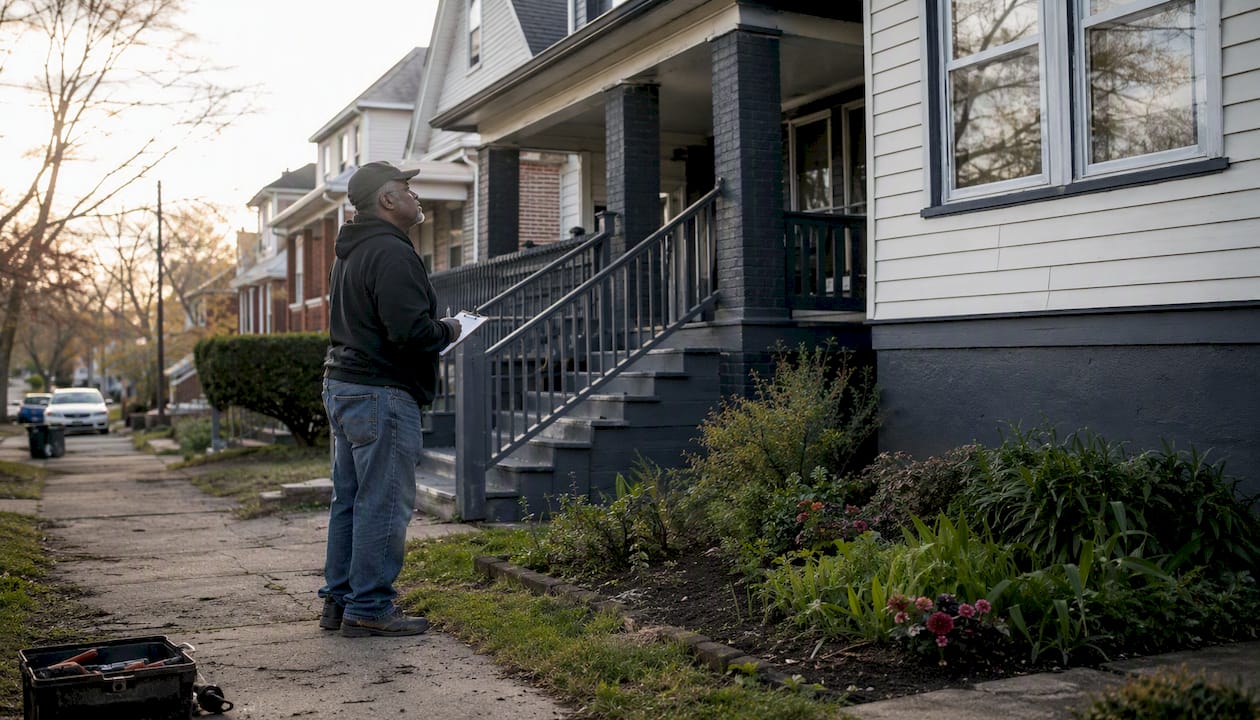
If you own rental property in Detroit and want consistent Housing Assistance Payments with minimal vacancy, the fastest path is hiring a property manager who specializes in the Housing Choice Voucher (HCV) program. Generic property managers often stumble on DHC paperwork and HQS inspections. A Section 8–experienced manager handles the Detroit Housing Commission relationship, keeps your unit inspection-ready, and coordinates HAP payments directly, so you collect rent reliably without chasing DHC deadlines yourself.
Three actions to take right now:
- Contact DHC to get current landlord listing procedures and confirm your unit’s eligibility for the HCV program.
- Request a rent reasonableness review so you know the maximum approvable rent before you list.
- Schedule an HQS pre-inspection walkthrough to identify and fix common fail items before the official DHC inspection.
Pro Tip: Ask any property manager candidate for a sample HAP reconciliation statement before you sign anything. If they can’t produce one, they don’t have real Section 8 experience.
Key Takeaways
Hiring a Section 8–specialized property manager in Detroit is the most reliable way to maintain consistent HAP payments, pass HQS inspections on the first visit, and reduce vacancy between voucher tenants.
| Point | Details |
|---|---|
| Hire a specialist for HCV units | Section 8–specialist managers reduce abatement risk and handle DHC paperwork that general PMs often miss. |
| Prepare for HQS before listing | Fix smoke detectors, GFCIs, hot water, heating, and pest evidence before DHC schedules your inspection. |
| Verify manager DHC experience | Ask for active HCV unit count, first-pass inspection rate, and a sample HAP reconciliation statement. |
| Expect direct HAP payments | DHC pays your subsidy share directly to you under the HAP contract; the tenant pays their portion separately. |
| Use Comparespot for vetted options | Comparespot’s Metro Detroit property management rankings are editorially researched and not paid placements. |
Table of Contents
- What are your Section 8 management options in Detroit?
- How does the Section 8 program actually work in Detroit?
- What should a Section 8 property manager handle for you?
- How do you list a property and accept a voucher tenant in Detroit?
- How do you pick the right Section 8 property manager in Detroit?
- What HQS inspection failures cost Detroit landlords
- Why trust these recommendations? Comparespot’s research approach
- An editorial perspective on Section 8 management in Detroit
- Comparespot’s vetted list of Detroit property managers
- Sources
- FAQ
What are your Section 8 management options in Detroit?
Detroit landlords have three practical routes for managing voucher tenants. Each fits a different portfolio size and tolerance for administrative work.
Option A: Section 8–specialist managers
These firms focus almost entirely on HCV tenants and DHC processes. They know the inspection cycle, the RFTA paperwork, and the HAP contract terms cold. For distressed properties or landlords doing turnaround work in neighborhoods like Brightmoor or the east side, a specialist is worth the premium because they reduce abatement risk and shorten time-to-occupancy.
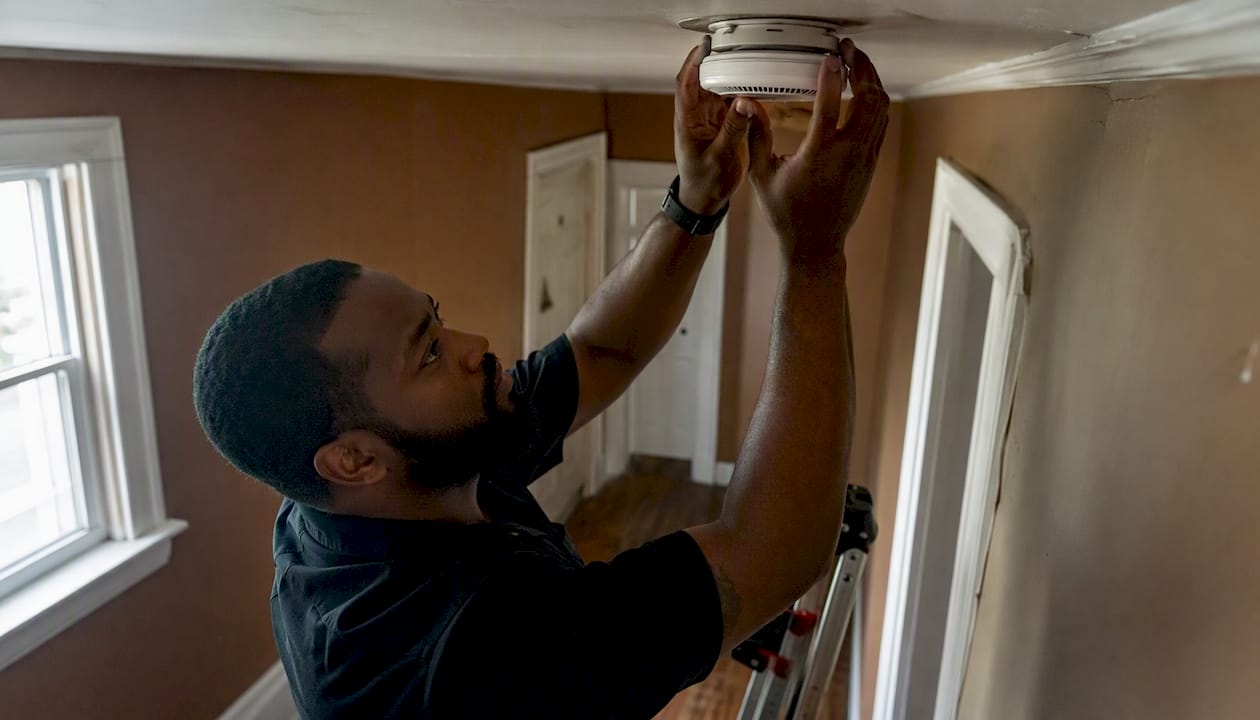
Best for: Distressed/turnaround properties, heavy DHC interaction, landlords with limited time.
Pros: Deep DHC relationships, faster inspection prep, HAP accounting built into their workflow. Cons: Narrower service scope, may not handle luxury or market-rate units.
Detroit Section 8 Property Management (Section8PM) is one known Detroit-focused specialist. Section8PM advertises turnkey services including HQS prep, rent-reasonableness documentation, RFTA/HAP paperwork, and a contractor network for fast rehabs.
Option B: Full-service local PMs that accept vouchers
These managers handle both market-rate and HCV tenants. They offer broader services (leasing, maintenance, evictions, accounting) but may not have the same depth of DHC-specific experience as a pure specialist. Good for landlords with mixed portfolios across Wayne, Oakland, or Macomb counties.
Best for: Multi-unit portfolios, mixed market-rate and voucher properties.
Pros: One manager for your whole portfolio, broader service menu. Cons: HCV may not be their primary focus; inspect their DHC track record carefully.
Option C: Self-managing with DHC coordination
You handle everything directly with DHC. Lowest cost, highest time commitment. Works for experienced landlords with one or two units who already know the HQS standards and are comfortable with DHC’s paperwork cycle.
Best for: Experienced single-property owners, landlords with existing DHC relationships.
Pros: No management fee, direct control. Cons: Every inspection failure, HAP delay, or tenant issue lands on you.
| Category | Best for | Services offered | Fees and pricing | HCV/DHC experience | Maintenance model | Vacancy speed | Eviction handling |
|---|---|---|---|---|---|---|---|
| Section 8 specialist | Distressed/turnaround, heavy DHC work | HQS prep, RFTA/HAP, rent reasonableness, rehab coordination | Management fee typically within normal industry ranges; leasing fee varies | Primary focus; deep DHC knowledge | In-house or vetted contractor network | Fast when unit is HQS-ready | Handled with DHC compliance built in |
| Full-service local PM | Mixed portfolios, multi-unit | Leasing, maintenance, accounting, evictions | 8–10% management; leasing fee varies | Varies; verify DHC track record | Contractor-based; markup transparency varies | Moderate | Standard legal process |
| Self-manage with DHC | Single-unit, experienced owners | Owner-managed; DHC liaison only | No management fee | Owner-dependent | Owner-arranged | Slowest | Owner-managed |
Pro Tip: When comparing full-service PMs, ask specifically how many active HCV units they currently manage in Detroit. A manager with 200 market-rate units and 3 voucher tenants is not a Section 8 specialist.
How does the Section 8 program actually work in Detroit?
The Detroit Housing Commission administers the Housing Choice Voucher program locally under HUD rules. DHC determines eligibility, issues vouchers to participants, and makes Housing Assistance Payments directly to you as the owner under a HAP contract. The tenant pays their share directly to you as well. You never collect the full rent from one source.
The three-contract framework
Per DHC’s landlord guidance, three separate agreements govern every Section 8 tenancy:
- Voucher: Between the participant and DHC. Authorizes the participant to find a qualifying unit.
- Lease: Between you (the owner) and the tenant. Standard residential lease, subject to HCV rules.
- HAP contract: Between DHC and you. This is the agreement that triggers direct subsidy payments to your account.
Assistance does not begin until all three conditions are met: the unit passes HQS inspection, the lease and HAP contract are both approved, and the participant takes possession. Miss any one of those, and the clock doesn’t start.
How rent reasonableness works
DHC sets your approved contract rent using HUD-based comparable rents in your neighborhood. You can propose a rent, but DHC will not approve it above what comparables support. Landlords can supply their own comparable listings to support a higher proposed rent. For annual increases, you must submit a request within DHC’s timing window, typically 60 days before the lease anniversary. Miss that window and you wait another year.
Timeline from listing to first payment
- Week 1–2: Prepare unit, submit Request for Tenancy Approval (RFTA) with tenant.
- Week 2–4: DHC schedules HQS inspection.
- Week 4–5: Inspection, pass or fail. If fail, repair and request re-inspection.
- Week 5–6: Lease and HAP contract signed by all parties.
- Week 6–8: Tenant takes possession; first HAP payment issued.
The single biggest cause of delayed first payments is a failed HQS inspection that the landlord wasn’t prepared for. Pre-inspecting your own unit against the HQS checklist before DHC arrives cuts weeks off this timeline.
The City of Detroit’s Housing Services office also works directly with landlords to build relationships and accelerate placements, which can be a useful parallel resource when you’re listing for the first time.
What should a Section 8 property manager handle for you?
A qualified Section 8–specialized manager in Detroit should cover every touchpoint between you and DHC, not just collect rent. Here’s what that looks like in practice.
Core services to demand
- Tenant placement and voucher coordination: Screening HCV applicants, completing RFTA paperwork, and coordinating with DHC from application through HAP contract execution.
- HQS prep and inspection management: Pre-inspection walkthroughs, coordinating repairs before the DHC visit, and attending the inspection.
- Rent-reasonableness documentation: Pulling comparables and submitting documentation to support your proposed contract rent.
- HAP reconciliation and accounting: Monthly reconciliation of DHC payments against your contract rent, with itemized statements you can audit.
- Maintenance coordination: Handling tenant repair requests, dispatching contractors, and documenting completed work for DHC records.
- Emergency repairs: 24-hour response capability, because a heating failure in a Section 8 unit can trigger an emergency inspection and abatement.
- Eviction coordination: Managing the legal process in compliance with both Michigan landlord-tenant law and DHC requirements, which have additional notice and documentation steps.
- Rehab and turnaround projects: For distressed properties, coordinating major repairs to bring a unit to HQS standard before listing.
Service-level expectations
Response time for maintenance requests should be documented in your management contract, not left vague. Ask for contractor fee transparency upfront: does the manager charge a markup on contractor invoices, and if so, how much? A manager who won’t answer that question directly is telling you something.
Pro Tip: A best-in-class Section 8 manager will hand you monthly HAP reconciliation statements, itemized repair invoices, and a copy of your HAP contract without you having to ask. If you have to chase those documents, find someone else.
Service checklist for comparing proposals
- Written HAP reconciliation process with sample statement
- Named inspector or inspection coordinator who attends DHC visits
- Documented maintenance response SLAs (24 hours for emergency, 48–72 hours for routine)
- Contractor list with disclosed markup policy
- Sample management contract with HAP accounting detail
- Local DHC references from current clients
Section8PM documents this kind of specialist workflow, including contractor networks and HQS prep, as part of their standard service offering.
How do you list a property and accept a voucher tenant in Detroit?
The process has six steps. Each one has a hard dependency on the previous, so delays compound fast if you’re not prepared.
- Prepare the unit for HQS. Fix smoke detectors, GFCIs, plumbing leaks, heating, and any exterior hazards before you submit anything.
- Complete the Request for Tenancy Approval (RFTA). You and the voucher-holding tenant fill this out together and submit it to DHC.
- Schedule the DHC HQS inspection. DHC sets the date. You or your manager must be present.
- Submit rent reasonableness paperwork. DHC reviews your proposed rent against local comparables. Supply your own comps to support your number.
- Sign the lease and HAP contract. Both documents must be executed before assistance begins.
- Confirm tenant possession. The tenant moves in; DHC issues the first HAP payment.
Common HQS fail items to fix before the inspection
- Missing or non-functional smoke detectors (every level, every bedroom)
- Missing GFCI outlets in kitchens and bathrooms
- Plumbing leaks or inoperable hot water
- Heating system failures or inadequate heat capacity
- Evidence of insects or rodents
- Broken windows, damaged exterior doors, or missing handrails
- Electrical hazards: exposed wiring, missing outlet covers
Per DHC’s landlord FAQ, a failed inspection means no assistance until the unit passes re-inspection. Walk through this list yourself before DHC arrives.
Typical timeline by step
| Step | Typical time window |
|---|---|
| Unit HQS prep | 1–2 weeks |
| RFTA submission to inspection scheduling | 1–2 weeks |
| HQS inspection | Scheduled by DHC |
| Re-inspection (if needed) | 1–2 weeks after repair notification |
| Lease and HAP contract processing | 1–2 weeks |
| First HAP payment after possession | 2–4 weeks |
How do you pick the right Section 8 property manager in Detroit?
Start with credentials, not marketing copy. Here’s a practical vetting sequence.
- Verify DHC/HCV experience. Ask how many active voucher units they currently manage in Detroit and request DHC references from current clients.
- Review inspection pass rates. A manager who can’t tell you their first-pass HQS rate is either not tracking it or hiding a bad number.
- Check licensing and insurance. Michigan requires property managers to hold a real estate broker’s license. Verify it with the Michigan Department of Licensing and Regulatory Affairs (LARA).
- Request a sample management contract. It should include HAP accounting procedures, maintenance markup disclosure, and eviction handling terms.
- Ask for local references. Specifically from Detroit landlords with HCV units, not just general property management clients.
Questions to ask in the interview
- How do you handle HAP reconciliation each month, and what does the statement look like?
- Who attends HQS inspections, and what’s your first-pass rate?
- What are your maintenance response SLAs for emergency and routine repairs?
- How do you bill for contractors — do you mark up invoices, and by how much?
- What’s your process when a unit fails inspection?
Fee examples by scenario
- Single-family HCV unit: Management fee typically 8–10% of monthly rent; leasing fee 50–100% of one month’s rent.
- Multi-unit portfolio (5+ units): Management fee may drop to 7–9% with volume; negotiate a flat leasing fee per unit.
- Distressed turnaround: Expect a flat rehab coordination fee on top of standard management, often quoted per project.
Red flags that should disqualify a manager
- Opaque contractor markups with no written disclosure
- Refusal to share a sample HAP reconciliation statement
- No local Detroit references for HCV units specifically
- Poor communication about inspection failures or remediation timelines
- Asking tenants for additional rent beyond the HAP contract amount (this violates HUD rules)
Pro Tip: Request the manager’s last three HAP reconciliation statements from a current client (with owner permission). How a manager documents money is how they manage everything else.
What HQS inspection failures cost Detroit landlords
Failed inspections are the most expensive avoidable problem in Section 8 management. When a unit fails, DHC may abate rental assistance until the unit passes re-inspection. That means you carry the unit with no HAP payment while repairs are completed and re-inspection is scheduled.
Top fail items by frequency
- Smoke detectors: missing, dead batteries, or wrong placement
- GFCI outlets: absent in kitchens, bathrooms, and garages
- Plumbing: leaks under sinks, non-functional hot water
- Heating: inoperable furnace, inadequate BTU capacity for unit size
- Pest evidence: cockroach or rodent activity visible to inspector
- Exterior hazards: broken steps, missing handrails, damaged siding
Prevention tactics
Experienced managers use pre-inspection checklists against the full HQS standard before every DHC visit. They maintain relationships with local contractors who can turn around common repairs in 24–48 hours. Scheduled preventive maintenance (annual furnace service, quarterly pest control) eliminates most surprise failures.
Maintain a rent-ready reserve. A unit sitting in abatement for two weeks while you find a plumber costs more than a year of preventive maintenance contracts.
Pro Tip: Keep a prioritized repair list updated after every tenant turnover. The top five items should always be smoke detectors, GFCIs, hot water, heating, and pest evidence. Fix those first, every time.
Why trust these recommendations? Comparespot’s research approach
Comparespot ranks and vets local service providers using editorial research, customer sentiment analysis, and demonstrated local outcomes. Providers cannot pay for placement in Comparespot’s lists. Rankings reflect real performance signals, not advertising budgets.
The methodology for Section 8 management recommendations in Detroit includes:
- Review of DHC and HUD documentation for program accuracy
- Evaluation of local PM firms’ documented HCV experience and inspection track records
- Analysis of client case studies and review sentiment for Detroit-specific outcomes
- Verification of licensing and insurance status through Michigan LARA
- Assessment of fee transparency and contract clarity
[Insert author credentials and experience.] [Insert case studies demonstrating Comparespot’s impact on Metro Detroit homeowners.] [Insert testimonials.]
Comparespot covers Wayne, Oakland, and Macomb counties, with rankings updated to reflect current market conditions. The property management rankings are the most relevant starting point for landlords evaluating Section 8–experienced managers.
An editorial perspective on Section 8 management in Detroit
Most landlords who struggle with Section 8 in Detroit aren’t struggling because the program is hard. They’re struggling because they hired a general property manager who said “yes, we handle vouchers” without ever having navigated a DHC abatement dispute or a failed HQS re-inspection.
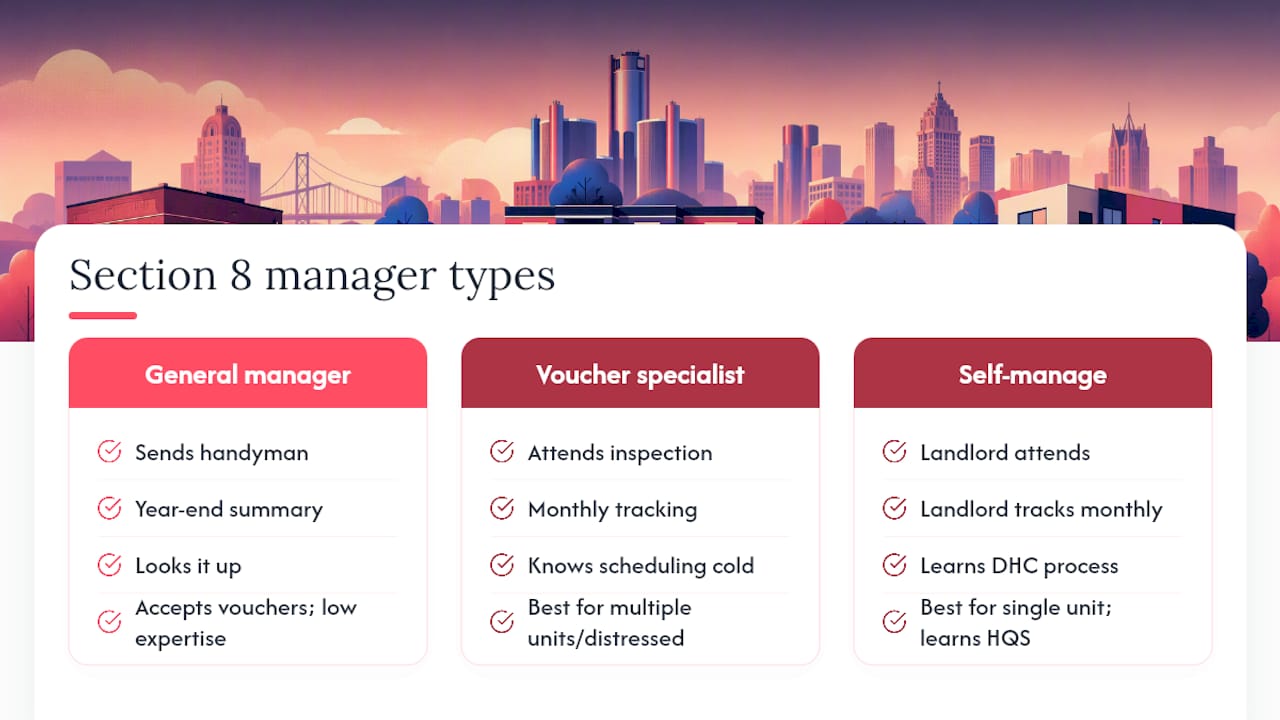
The distinction between a manager who accepts voucher tenants and one who specializes in them is not subtle. It shows up in whether they attend the inspection or send a handyman. It shows up in whether they track your HAP reconciliation monthly or hand you a year-end summary that doesn’t match your bank statements. It shows up in whether they know DHC’s re-inspection scheduling process cold or have to look it up.
For landlords with a single unit, self-managing with DHC is genuinely viable if you’re willing to learn the HQS standard and stay on top of DHC’s paperwork windows. For anyone with more than one unit, or anyone dealing with a distressed property, the math on a specialist manager pays off fast. One avoided abatement period covers months of management fees.
The other thing most articles won’t tell you: DHC wants landlords to succeed. The Detroit Housing Services office was created specifically to build landlord relationships and expand viable housing inventory. If you engage with DHC proactively rather than reactively, you’ll find more cooperation than you expect.
Comparespot’s vetted list of Detroit property managers
Detroit landlords who want to skip the cold-call vetting process have a faster option. Comparespot publishes independently researched rankings of Metro Detroit property management companies, evaluated on DHC experience, fee transparency, maintenance model, and client outcomes. No provider pays for placement.
From the Comparespot list, you get vetted profiles with pricing signals, documented local references, and enough detail to walk into your first manager interview already knowing the right questions. For landlords who’ve read this far and still aren’t sure which manager fits their portfolio, that list is the practical next step.
Visit Comparespot to access the full Metro Detroit property management rankings and request local references for Section 8–experienced managers in your area.
Sources
- Detroit Housing Commission: Home
- Hud
- City launches Detroit Housing Services office to help Detroiters find stable, affordable housing
- Detroit Section 8 Property Management | Expert Section 8 Management in Detroit
This article provides general information about the Section 8 Housing Choice Voucher program in Detroit. Confirm current program rules, eligibility requirements, and DHC procedures directly with the Detroit Housing Commission or a qualified housing professional.
FAQ
Who handles Section 8 in Michigan?
The Detroit Housing Commission administers the Housing Choice Voucher program in Detroit; other Michigan cities have their own local Public Housing Authorities operating under HUD rules.
Is Section 8 open in Detroit?
DHC’s enrollment status changes based on funding and waitlist capacity; contact DHC directly at dhcmi.org or call their office to confirm whether the waitlist is currently open for new applicants or landlord registrations.
How much does Section 8 pay in Detroit, Michigan?
Is Michigan getting rid of Section 8?
No. The Housing Choice Voucher program is a federal HUD program administered locally by DHC; there is no current federal or state legislation eliminating it, though funding levels and waitlist status can fluctuate year to year.
What are the most common HQS inspection fail items in Detroit?
Per DHC landlord guidance, the most frequent failures involve missing smoke detectors, absent GFCI outlets, plumbing leaks, heating system deficiencies, pest evidence, and exterior safety hazards like broken handrails or damaged steps.