
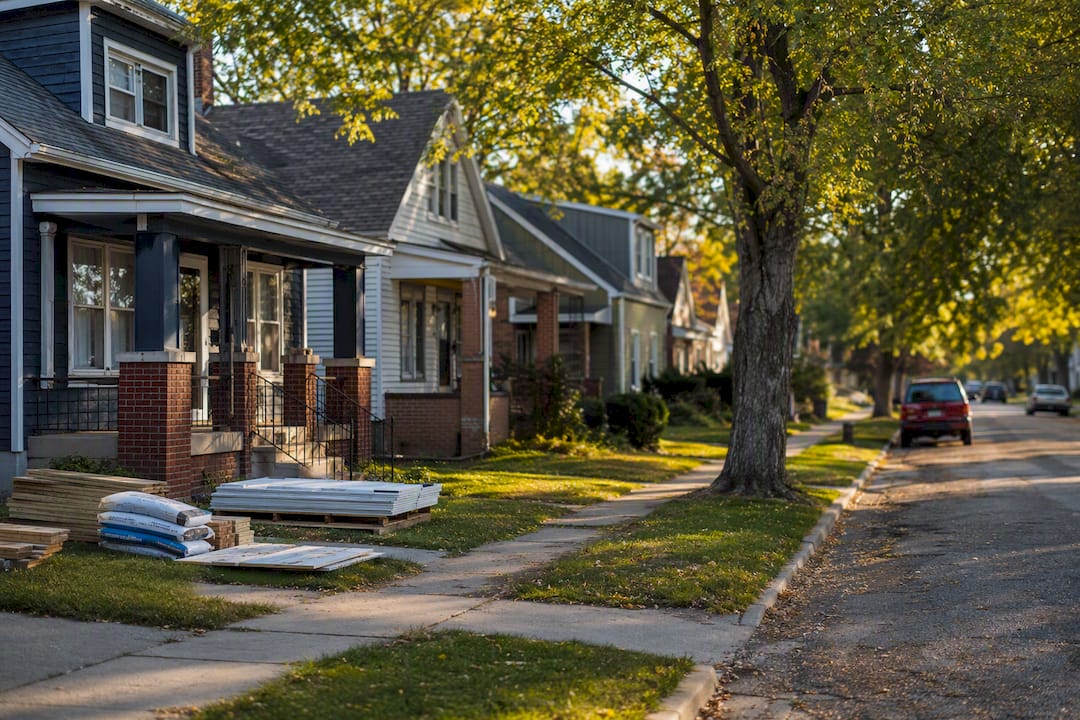
If you’re deciding where to put money into Detroit real estate, start your research in six neighborhoods. For appreciation, look at Brush Park, Corktown, and West Village, where public redevelopment and downtown proximity are compressing timelines to value growth. For cash flow, look at East English Village, Bagley, and Indian Village, where price bands still support DSCR loans and rents cover debt service with room to spare.
- Brush Park: city-marketed mixed-income sites near downtown, appreciation play
- Corktown: highest demand corridor, but entry prices now compress margins
- West Village: historic housing stock, steady appreciation with moderate rehab risk
- East English Village: bungalow stock, stable tenant base, DSCR-friendly rents
- Bagley: below-median entry price, workforce tenant pool, strong yield signal
- Indian Village: mixed appreciation/yield, larger homes, higher carrying costs
Your next move: pull comps in two or three of these areas and get a local property manager or agent on the phone before you make an offer.
Key Takeaways
The strongest Detroit investment strategy pairs appreciation-focused neighborhoods near public redevelopment catalysts with yield-focused neighborhoods that support conservative DSCR underwriting.
| Point | Details |
|---|---|
| Split your shortlist | Target Brush Park, Corktown, and West Village for appreciation; East English Village, Bagley, and Indian Village for yield. |
| Watch cap-rate spread | Expect roughly 4-6% in gentrified core areas and up to 12-18% in distressed blocks, with operational risk rising alongside the number. |
| Track public catalysts | Monitor the Shoemaker RFP, Brush Park marketing packages, and Strategic Neighborhood Fund activity for early appreciation signals. |
| Underwrite conservatively | Use DSCR calculations, conservative rent assumptions, and a real vacancy allowance before trusting a headline cap rate. |
| Vet local partners first | Use CompareSpot’s Metro Detroit rankings to find agents, property managers, and lenders before your pilot deal closes. |
Table of Contents
- Detroit Investment Neighborhoods: Profiles Worth Your Time
- Yield vs. Appreciation: What the Numbers Actually Say
- What City-Led Projects Are Changing Neighborhood Value
- How Do You Evaluate a Detroit Investment Property?
- Who Should You Hire Before Your First Detroit Deal?
- Where CompareSpot Fits in Your Research
- What I’d Tell a Friend Buying Their First Detroit Rental
- Let CompareSpot Do the Vetting Legwork for You
- Sources
- FAQ
Detroit Investment Neighborhoods: Profiles Worth Your Time
Each of these areas plays a different role in a portfolio, and the differences show up fast once you look at price bands, rent bands, and the kind of tenant you’ll actually be renting to.
- Brush Park: Downtown-adjacent, marketed by the city for mixed-income housing on sites like 205 Watson Street. Form-based code shapes what gets built, which makes future comps more predictable than in neighborhoods without design guidelines. Expect new-construction and gut-rehab pricing rather than a fixer-upper budget.
- Corktown: The most talked-about appreciation story in the city, and prices reflect it. Entry costs have climbed enough that some analysts point buyers toward calmer workforce neighborhoods instead for better cash-on-cash returns.
- West Village: Historic single-family and duplex stock, walkable to the riverfront. Rehab intensity runs moderate to heavy on older homes, but tenant demand is dependable.
- East English Village: Mostly brick bungalows and Tudor-style single-families. A DSCR-focused investor analysis flags this submarket as one of the more feasible for underwriting a loan against rental income alone.
- Bagley: Similar bungalow archetype to East English Village, priced lower, with a working-class tenant base that tends to stay put longer, cutting turnover costs.
- Indian Village: Larger, architecturally significant homes. Carrying costs and rehab budgets run higher, but so does long-term resale value.
Vacancy expectations vary block by block more than they do neighborhood by neighborhood in Detroit, which is exactly why a drive-by or a call to a local property manager beats trusting a zip-code average.
Yield vs. Appreciation: What the Numbers Actually Say
Detroit’s submarkets split cleanly into two archetypes, and confusing one for the other is the fastest way to misjudge a deal. Appreciation neighborhoods, like Brush Park and Corktown, trade at lower cap rates because buyers are pricing in future value growth rather than current income. Yield neighborhoods, like Bagley and East English Village, trade at higher cap rates because the income has to justify the purchase price today.
Statistic to anchor your expectations: cap rates across Detroit submarkets range from roughly 4-6% in gentrified core areas like Downtown and Midtown up to 12-18% in the most distressed blocks, according to TrueCap’s market data. That spread is enormous by national standards, and it means a headline cap rate on a distressed block is only real if you can actually collect the rent and control the maintenance costs.
- Appreciation plays: lower cap rate, less rehab urgency, buyers competing on location
- Yield plays: higher cap rate, more tenant screening, greater exposure to Section 8 and voucher tenants
- Distressed-block caps: attainable only with local management and conservative rehab budgeting, not as a passive hold
Section 8 tenants aren’t a red flag by themselves. Guaranteed rent payments can stabilize cash flow, but the properties that attract voucher tenants often need more frequent maintenance, so budget accordingly.
What City-Led Projects Are Changing Neighborhood Value
Public investment is often the clearest early signal of where private money will follow, and Detroit has three active catalysts worth tracking right now.
The Shoemaker site is a 14.4-acre city-owned industrial parcel on the east side, near Chandler Park and the Stellantis Mack Avenue Plant. The RFP targets job-creating industrial or innovation development, which tends to lift housing demand in the surrounding blocks within a mile or two once construction jobs and permanent employment show up.
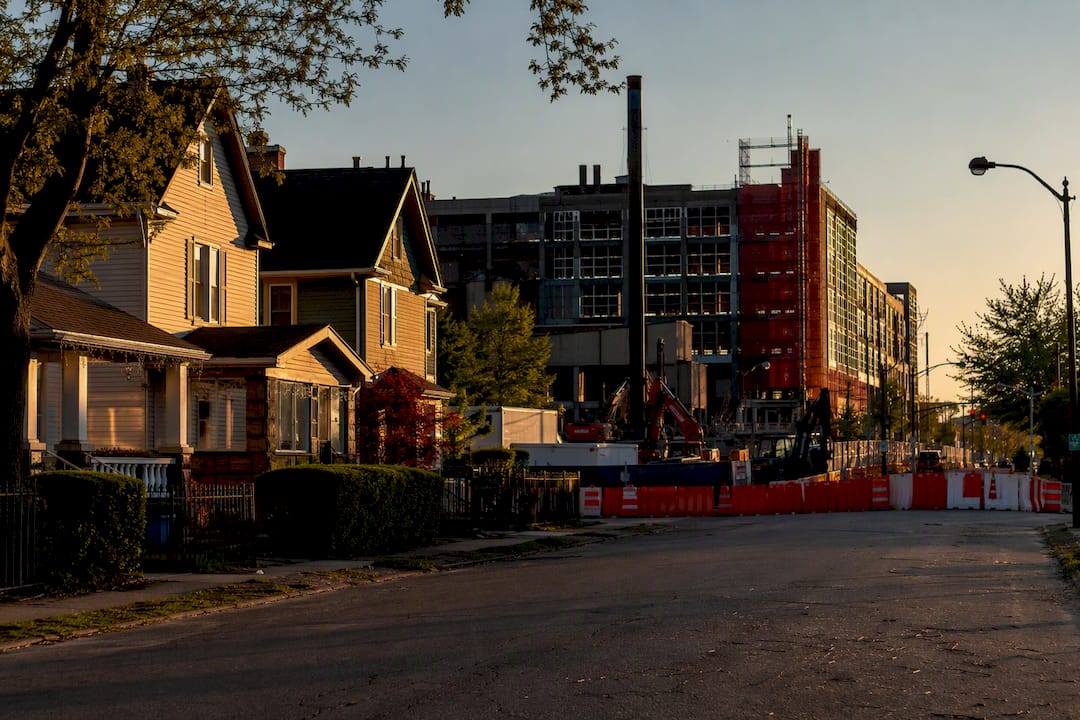
In Brush Park, the city’s marketing package for sites like 205 Watson Street signals continued downtown-adjacent development, backed by form-based code that reduces zoning surprises for nearby property owners.
The Strategic Neighborhood Fund, run through Invest Detroit, has directed public and philanthropic capital into housing, streetscapes, and commercial anchors in targeted neighborhoods. Along Dexter Avenue, roughly $21 million in streetscape and community center investment accompanies an active mixed-use RFP, a pattern worth watching in any corridor.
- Track city RFPs and NOFAs directly on detroitmi.gov rather than relying on secondhand summaries
- Check the Strategic Neighborhood Fund’s active neighborhood list before assuming an area qualifies
- Treat “within walking distance” (roughly a half mile) as the rule of thumb for catalyst spillover, tightening to a few blocks in less walkable areas
| Catalyst | Where | Likely Effect |
|---|---|---|
| Shoemaker site | East side, near Chandler Park | Industrial jobs, spillover housing demand |
| Brush Park sites | Near downtown | Mixed-income housing, predictable zoning |
| Strategic Neighborhood Fund | Multiple targeted areas | Streetscapes, housing, commercial anchors |
| Dexter Avenue RFP | Dexter corridor | $21M in public investment, mixed-use redevelopment |
How Do You Evaluate a Detroit Investment Property?
Run these checks before you make an offer on anything in Detroit, not just the neighborhoods on this list.
- Pull three to five recent comps within a quarter mile, adjusted for condition, not just square footage.
- Underwrite rent conservatively. Use the lower end of the neighborhood’s rent band, not the listing price you saw advertised.
- Line-item the rehab budget. Roof, furnace, water lines, and electrical panel first. Everything cosmetic comes after.
- Build in a vacancy allowance of at least one month per year, higher in yield-archetype neighborhoods with more tenant turnover.
- Calculate DSCR (net operating income divided by debt service) before you calculate cap rate. A cap rate looks good on paper; DSCR tells you whether the lender will actually approve the loan.
- Check code enforcement history and open violations with the city before closing, not after.
Red flags worth walking away from: a title with unresolved liens, a block where more than a third of homes sit vacant, or an inspection that turns up foundation issues the seller didn’t disclose.
Pro Tip: Ask any property manager you’re interviewing for their eviction rate and average maintenance response time before you ask about their management fee. Those two numbers tell you more about how the property will actually perform than the fee ever will.
Who Should You Hire Before Your First Detroit Deal?
Sequence matters more than speed here. Hire a local real estate agent first to run comps and tour properties, then a property manager before you close, not after your first tenant moves in. Add a contractor or inspector who works Detroit’s older housing stock regularly, and an attorney familiar with Michigan’s title and code enforcement quirks.
- Financing: DSCR loans work well for portfolio buyers since they underwrite against rental income rather than personal W2 income
- Rehab financing: hard money or local bank rehab loans typically outperform national lenders unfamiliar with Detroit’s housing stock
- Pilot-deal approach: buy one property, run it with a trusted local manager for 6 to 12 months, and document every capital expense before you scale to a second or third door
That pilot period is where most out-of-state investors either build confidence or discover a neighborhood wasn’t what they thought.
Where CompareSpot Fits in Your Research
Vetting local partners eats more time than the deal itself for most out-of-state buyers. CompareSpot ranks Metro Detroit real estate agents, property managers, and mortgage lenders across Wayne, Oakland, and Macomb counties using editorial research and customer sentiment analysis, not paid placements.
- Real estate agents for neighborhood tours and comps
- Property managers for pilot-deal oversight
- Mortgage lenders comfortable with DSCR and investor underwriting
What I’d Tell a Friend Buying Their First Detroit Rental
Detroit rewards patience and boots on the ground more than any spreadsheet can capture. The biggest mistake I see is treating a headline cap rate as a guarantee instead of a starting point that depends entirely on local management. Never buy sight unseen without a trusted property manager verifying the property in person first.
— Bryan
Let CompareSpot Do the Vetting Legwork for You
Every strategy in this guide, from pilot deals to DSCR underwriting, depends on having the right local partner in place before you close. That’s where most out-of-state investors lose time: calling five agents, three property managers, and two lenders just to find one who actually knows the neighborhood you’re targeting. Comparespot cuts that search down by ranking Metro Detroit’s top providers based on independent research and customer sentiment, not who paid for placement.
If you’re assembling your team for a pilot deal in East English Village or Brush Park, start with CompareSpot’s ranked list of Metro Detroit real estate agents to find someone who already knows the comps in that specific corridor. Once you’re under contract, check the property management rankings before your first tenant ever moves in.
Sources
Keep these on a recurring check, since RFPs and fund allocations change faster than most market reports.
- Shoemaker RFP marketing package
- Invest Detroit — Strategic Neighborhood Fund
- Detroit rental market analysis — TrueCap
- Detroit DSCR tipping point 2026 — HCP
FAQ
What Are the Best Detroit Neighborhoods for Investment Right Now?
Brush Park, Corktown, and West Village suit appreciation-focused buyers, while East English Village, Bagley, and Indian Village suit investors prioritizing rental cash flow and DSCR underwriting.
Is Detroit Real Estate Still a Good Investment?
Detroit still offers a wide range of entry prices and cap rates, but returns depend heavily on neighborhood selection and having reliable local management in place.
What Cap Rate Should I Expect in Detroit?
Cap rates typically run 4-6% in gentrified core areas like Downtown and Midtown, and up to 12-18% in the most distressed blocks, though higher headline caps require strong local management to actually collect.
How Do I Find a Reliable Property Manager in Detroit?
CompareSpot ranks Metro Detroit property managers across Wayne, Oakland, and Macomb counties using independent research and customer sentiment rather than paid listings, which helps narrow the search before your first purchase.
Should I Buy a Detroit Rental Property Sight Unseen?
No. Even experienced investors rely on a trusted local property manager or agent to verify condition and neighborhood dynamics before closing, since block-level vacancy and maintenance issues rarely show up in listing photos.